









Welcome Back
Sign in to be closer to your community!
Follow other divas, like and comment
on their posts, message them, and see
who loved your posts!
 Login with Google
 Login with Twitter
OR
Join FashionPotluck.com
Create your own profile in order to create content, follow other divas and like their posts, use our own messenger, and be a part of a growing international women community!
Signup as a Community Member

WELCOME TO OUR COMMUNITY
Fashion Potluck -
the first social media
platform for women.
You are free to read/watch & create content,
express your true self, and interact with others.


FOOD
HbA1C Test in Pune | Book a Blood Sugar Test at Diagnopein

 by


MRI, CT Scan
60min Minutes
Blood sugar levels can change throughout the day depending on food, physical activity, stress, and other factors. However, checking your blood sugar only once may not provide a complete picture of your glucose levels over time. This is why doctors often recommend an HbA1c blood test to understand long-term blood sugar control and monitor diabetes.
If you are looking for an HbA1C test in Pune, Diagnopein Diagnostics offers pathology testing services to help individuals monitor their health. Whether you have diabetes, are at risk of developing it, or have been advised to undergo routine blood sugar testing, an HbA1c test can provide useful information about your average blood glucose levels over the past two to three months.
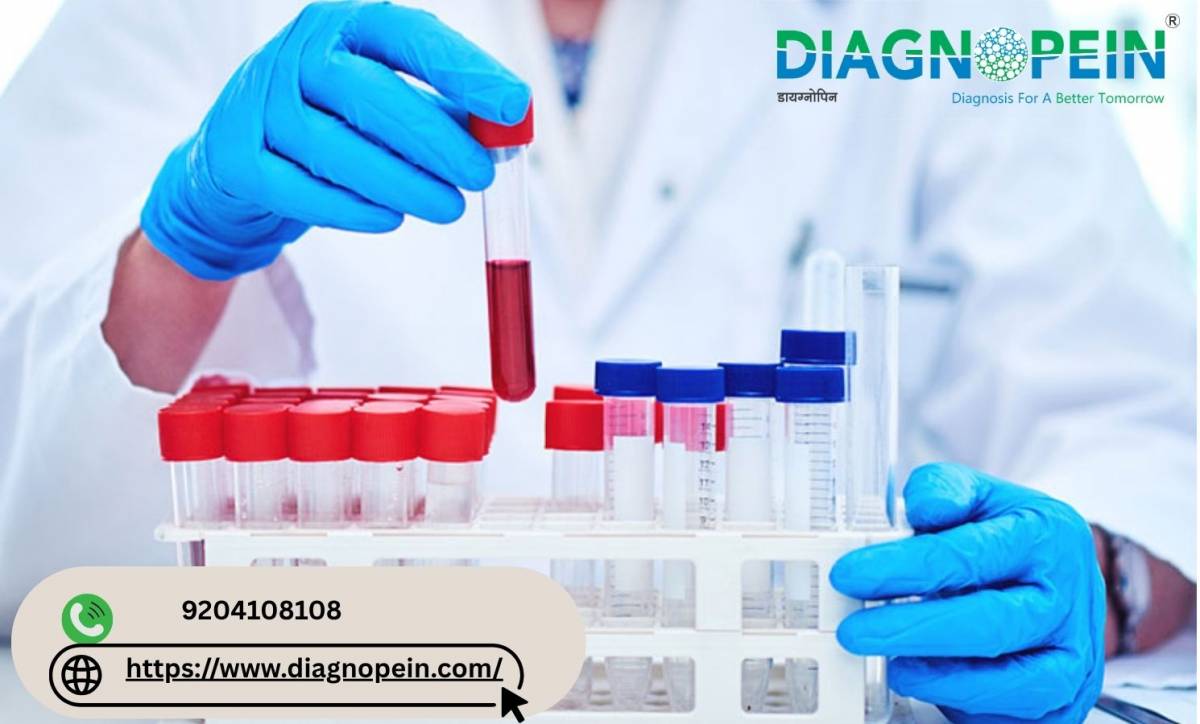
What Is an HbA1c Test?
The HbA1c test, also known as the glycated haemoglobin test, is a blood test that measures the amount of glucose (sugar) attached to haemoglobin in your red blood cells.
Haemoglobin is a protein in red blood cells that carries oxygen throughout the body. When glucose enters the bloodstream, some of it attaches to haemoglobin. Since red blood cells generally live for around three months, measuring this attachment helps estimate your average blood sugar levels over the past two to three months.
Unlike a regular blood glucose test, which measures sugar levels at a particular moment, the HbA1c test provides a broader picture of blood sugar control.
Why Is an HbA1c Test Important?
An HbA1c test plays an important role in diabetes screening and monitoring. It helps doctors understand whether blood sugar levels have remained within the recommended range over time.
Some common reasons doctors recommend this test include:
Diabetes screening: Helps identify whether a person may have diabetes or prediabetes.
Diabetes monitoring: Helps assess long-term blood sugar management.
Treatment evaluation: Helps doctors understand how well a diabetes treatment plan is working.
Routine health monitoring: May be recommended for individuals with diabetes risk factors.
Identifying blood sugar trends: Provides information beyond a single blood glucose reading.
Your doctor may recommend an HbA1c test based on your medical history, symptoms, age, and other risk factors.
Who Should Consider an HbA1c Test?
An HbA1c test may be recommended for people who want to understand their blood sugar levels or have been advised by a healthcare professional to undergo diabetes screening.
It may be useful for:
Individuals with a family history of diabetes.
People who are overweight or physically inactive.
Individuals with previously identified high blood sugar levels.
People diagnosed with Type 1 or Type 2 diabetes.
Individuals experiencing symptoms such as increased thirst, frequent urination, or unexplained tiredness.
People who need regular monitoring of their diabetes management.
However, symptoms alone cannot confirm diabetes. A qualified doctor should evaluate your condition and recommend suitable tests.
How Does the HbA1c Test Work?
The HbA1c test is a simple blood investigation. It usually involves collecting a small blood sample from a vein in your arm.
Step-by-Step Testing Process
Registration: Your details and test requirements are recorded at the diagnostic centre.
Blood sample collection: A trained healthcare professional collects a blood sample using a sterile needle.
Laboratory analysis: The collected sample is processed to measure glycated haemoglobin levels.
Report generation: Your HbA1c percentage is reported for your doctor to review.
The blood collection process generally takes only a few minutes. The total time required to receive the report may vary depending on the laboratory and testing arrangements.
Understanding HbA1c Test Results
HbA1c results are generally expressed as a percentage. They indicate the proportion of haemoglobin that has glucose attached to it.
The commonly used interpretation ranges for adults are:
| HbA1c Level | General Interpretation |
|---|---|
| Below 5.7% | Normal range |
| 5.7%–6.4% | Prediabetes range |
| 6.5% or higher | Diabetes range |
A result of 6.5% or higher may indicate diabetes, but diagnosis generally requires confirmation through appropriate testing and clinical evaluation.
For many adults with diabetes, doctors may set an HbA1c target of below 7%. However, the ideal target can differ depending on age, health conditions, treatment, and individual circumstances.
Certain conditions, including anaemia, some blood disorders, pregnancy, and recent blood loss or transfusion, can affect HbA1c accuracy. Therefore, always discuss your report with a qualified healthcare professional.
How to Prepare for an HbA1c Blood Test?
One of the convenient aspects of the HbA1c test is that it generally requires very little preparation.
Keep these points in mind before your test:
Fasting is usually not required for an HbA1c test.
You can generally eat and drink normally before sample collection.
Inform your doctor about any existing medical conditions.
Share information about your current medicines if requested.
Follow any specific instructions provided by your healthcare professional.
If your doctor has advised additional blood tests along with HbA1c, fasting may be necessary for those tests. Confirm the preparation requirements before visiting the diagnostic centre.
- Rate article:
- Total Person:


- Rate difficulty:


Words Minimum :
Add Comments